Health & Beauty
Reflexology: How Foot Massage Stimulates Your Whole Body
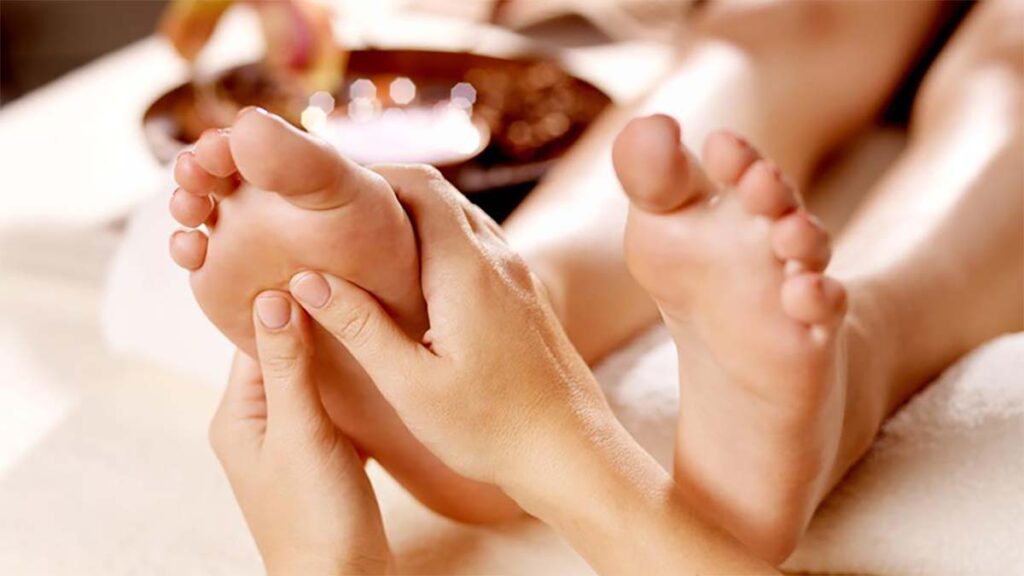
Reflexology is a therapeutic foot massage technique. It’s based on the idea that specific areas on the feet (and hands) correspond to different organs and systems in the body. By applying pressure to these reflex points, reflexologists aim to support overall health, reduce stress, and bring the body back into balance. In this article, you’ll learn how reflexology works, what it helps with, and what happens during a session.
What Is Reflexology?
Reflexology is an ancient practice with roots in Traditional Chinese Medicine, Egyptian hieroglyphs and Ayurvedic traditions. Modern reflexologists map the feet to pinpoint reflex zones that mirror different body parts such as the heart, lungs, liver and intestines. Stimulating these zones is believed to improve the flow of energy (“Qi”) and support the body’s natural healing processes.

How Reflexology Works?
This method is based on the idea that certain points on the feet, hands, or ears are linked to different organs and areas of the body. Here are four key ways this technique supports overall wellness.
- Reflex Maps: A foot is divided into reflex zones—each zone correlates with a body region.
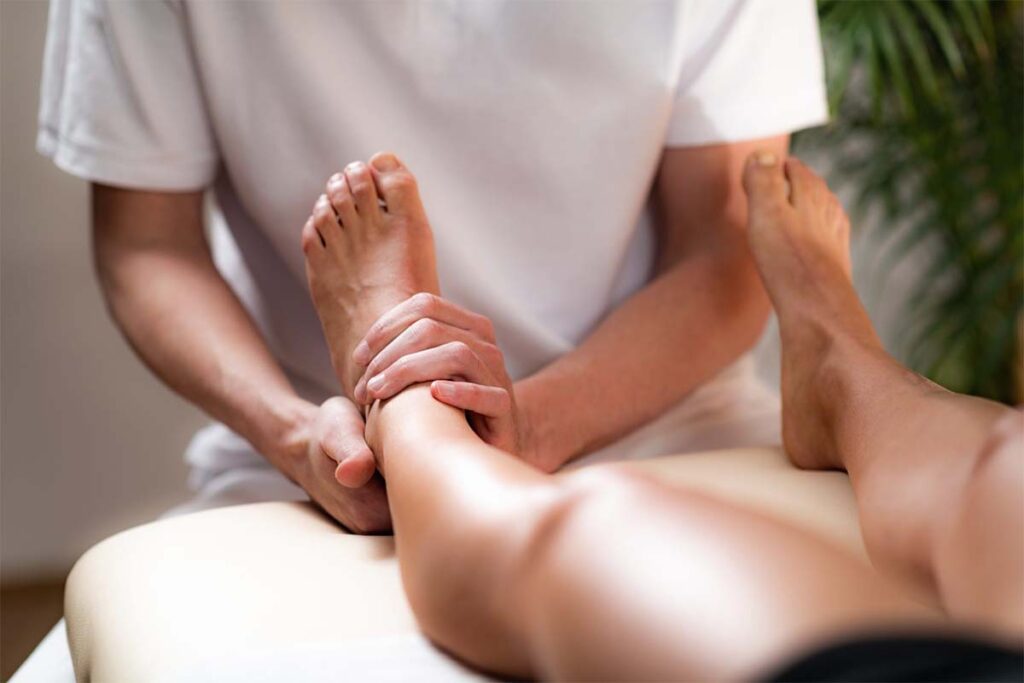
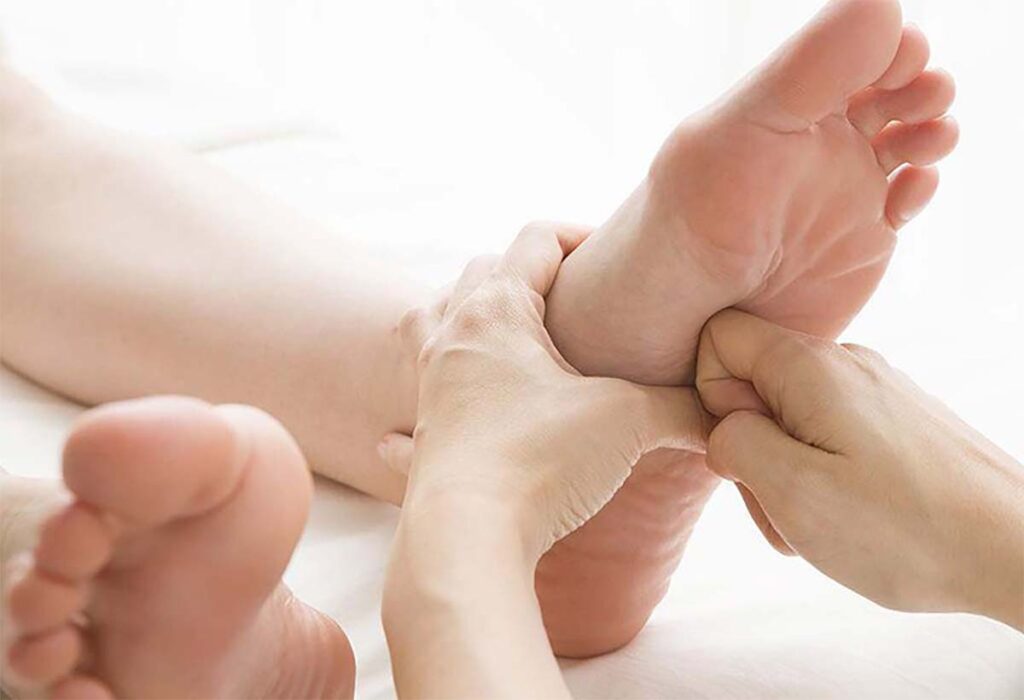
- Pressure Application: The therapist uses thumbs, fingers, and specialized tools to apply firm, targeted pressure.
- Energy Flow: Pressing reflex points releases blockages, allowing energy to flow freely and improving organ function.
- Neurovascular Response: Stimulation improves blood circulation and nerve impulses to corresponding body parts.
Key Benefits of Reflexology
Have you ever felt that just a few gentle touches on your feet could make your whole body relax? Reflexology is more than just a massage technique — it’s a way for the body and mind to communicate through subtle yet powerful points of contact. In today’s fast-paced life filled with stress and imbalance, reconnecting with yourself through these small but profound touches has become more meaningful than ever.
And now, let’s explore the wonderful effects this healing method can offer you.
- Stress Reduction: Promotes deep relaxation by balancing the autonomic nervous system.
- Pain Relief: Helps alleviate headaches, back pain, and other chronic discomforts.
- Improved Circulation: Enhances blood and lymphatic flow, reducing swelling and fatigue.
- Enhanced Sleep: Many clients report better sleep quality after sessions.
- Digestive Health: Stimulating digestive reflex points can support gut function.
- Immune Support: Regular sessions may help strengthen immunity by promoting overall balance.
Common Reflexology Points and Their Functions
| Reflex Point | Location on Foot | Corresponding Body Part/Function |
| Solar Plexus | Center of foot | Stress relief, adrenal support |
| Heart | Pad of left foot, below toes | Cardiovascular health |
| Lungs | Pads of both feet | Respiratory function |
| Liver & Gallbladder | Arch of right foot | Detoxification, digestion |
| Kidneys | Mid-arch | Fluid balance, waste elimination |
| Intestines | Heel and ankle area | Digestive regulation |
What to Expect in a Reflexology Session
- Consultation: Discuss health history, concerns, and goals.
- Preparation: You’ll sit comfortably while the therapist examines your feet.
- Footwork: Warm-up, followed by targeted pressure on reflex points.
- Duration: Sessions typically last 45–60 minutes.
- Feedback: Therapists may adjust pressure based on comfort and response.
Who Should Consider Reflexology?
- Anyone experiencing stress, anxiety, or insomnia.
- Individuals with chronic pain—especially headaches, back pain, or joint pain.
- Those with digestive issues or poor circulation.
- People seeking complementary therapy alongside conventional treatments.
Precautions and Contraindications
- Avoid reflexology during acute foot infections, wounds, or severe varicose veins.
- Consult a healthcare provider if you’re pregnant, have deep vein thrombosis, or severe circulatory problems.
- Use caution if you have diabetic neuropathy or foot ulcers.
Self-Reflexology Tips at Home
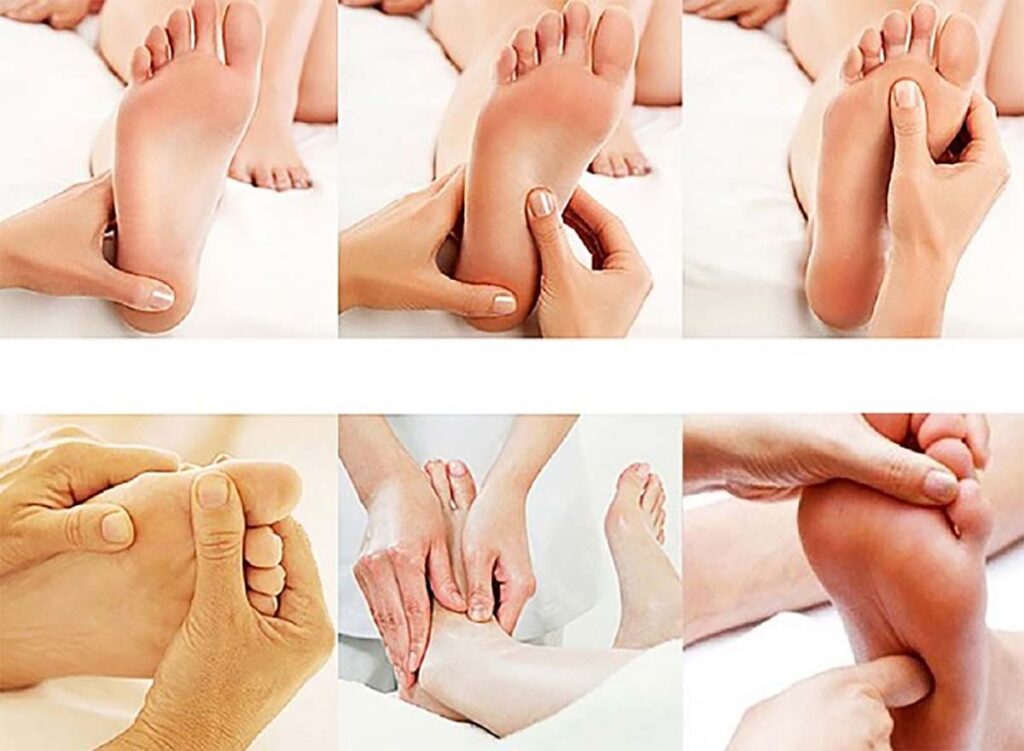
- Warm-Up: Rub feet with lotion to increase circulation.
- Thumb Walking: Use your thumb to “walk” over each reflex zone.
- Hold-and-Press: Apply steady pressure for 5–10 seconds on sore spots.
- Massage Tools: Use reflexology balls or rollers for added stimulation.
Routine: Practice 5–10 minutes daily for best results.
Combining Reflexology with Other Therapies
Reflexology complements massage therapies, acupuncture, chiropractic care, and aromatherapy—creating a holistic wellness plan.
Conclusion
Reflexology foot massage offers a unique, non-invasive way to support whole-body health. By stimulating reflex points, it fosters relaxation, improves circulation, and helps the body heal itself. Whether you seek relief from specific ailments or overall wellness. Can be a powerful addition to your self-care routine. Ready to relax, recharge, and restore your body from the ground up? Book your session today and discover the powerful benefits of healing through your feet!